mysolved vs Solved vs Completed: Understanding the Difference in Meaning
 lmrcslittle@gmail.com
Introduction
When users encounter the term mysolved, they often compare it mentally with more familiar words like solved or completed. While these terms may appear similar, they carry different nuances, especially in digital, organizational, and personal productivity contexts.
This article explains how mysolved differs from related terms and why those differences matter for clarity and interpretation.
The Meaning of “Solved”
The word solved generally indicates that a problem has been resolved. It is:
- Neutral and objective
- Focused on the problem itself
- Often used in technical or analytical contexts
“Solved” answers the question: Has a solution been found?
The Meaning of “Completed”
Completed usually refers to finishing a task or process. It emphasizes:
- Execution rather than reasoning
- The end of an activity
- Fulfillment of predefined steps
“Completed” answers the question: Has the work been finished?
Where mysolved Fits In
The term mysolved introduces a personal or contextual layer. It typically implies:
- Ownership (“my”)
- Resolution from a specific perspective
- A recorded or acknowledged outcome
- Closure within a personal or internal system
mysolved answers the question: Has this been resolved for me or within my context?
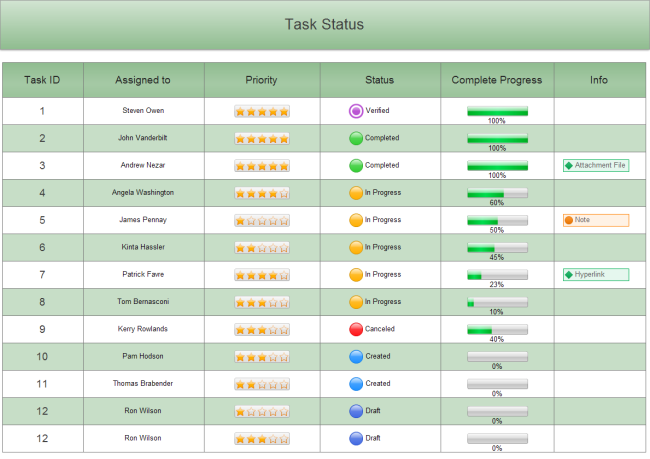


Key Differences at a Glance
- Solved → objective resolution of a problem
- Completed → finished execution of a task
- mysolved → personal or contextual confirmation of resolution
These distinctions help explain why mysolved appears in more informal or user-centric environments.
Why Language Choice Matters
Using the correct resolution term improves clarity by:
- Reducing ambiguity
- Setting accurate expectations
- Preventing repeated work
- Supporting review and learning
When terms are mixed carelessly, confusion often follows.
Common Contexts Where mysolved Is Preferred
The term mysolved often appears in:
- Personal notes or trackers
- Internal documentation
- Informal systems
- Learning or reflection workflows
In these contexts, personal perspective matters more than formal classification.
Does mysolved Replace Other Terms?
No. mysolved does not replace solved or completed. Instead, it complements them by adding context. Each term serves a different communicative purpose.
Using them together allows for more precise expression.
Risks of Misinterpretation
Because mysolved is informal, it can sometimes be misunderstood. To avoid confusion:
- Ensure the context is clear
- Avoid using it in strictly formal documentation
- Clarify whether resolution is personal or universal
Clarity always matters more than terminology.
Why Users Search for These Differences
Search interest around mysolved often comes from users who want to:
- Interpret wording they encountered
- Choose the right label for resolved items
- Understand subtle differences in status language
- Avoid miscommunication
This reinforces the value of explanatory, non-promotional content.
Conclusion
The term mysolved occupies a unique space between solved and completed. It adds personal context to resolution, signaling that something has been addressed within a specific frame of reference.
Understanding these nuances helps users communicate more clearly, organize work more effectively, and avoid confusion when tracking outcomes.